

Gas Safety Certificate Cost - Why Landlords Need One
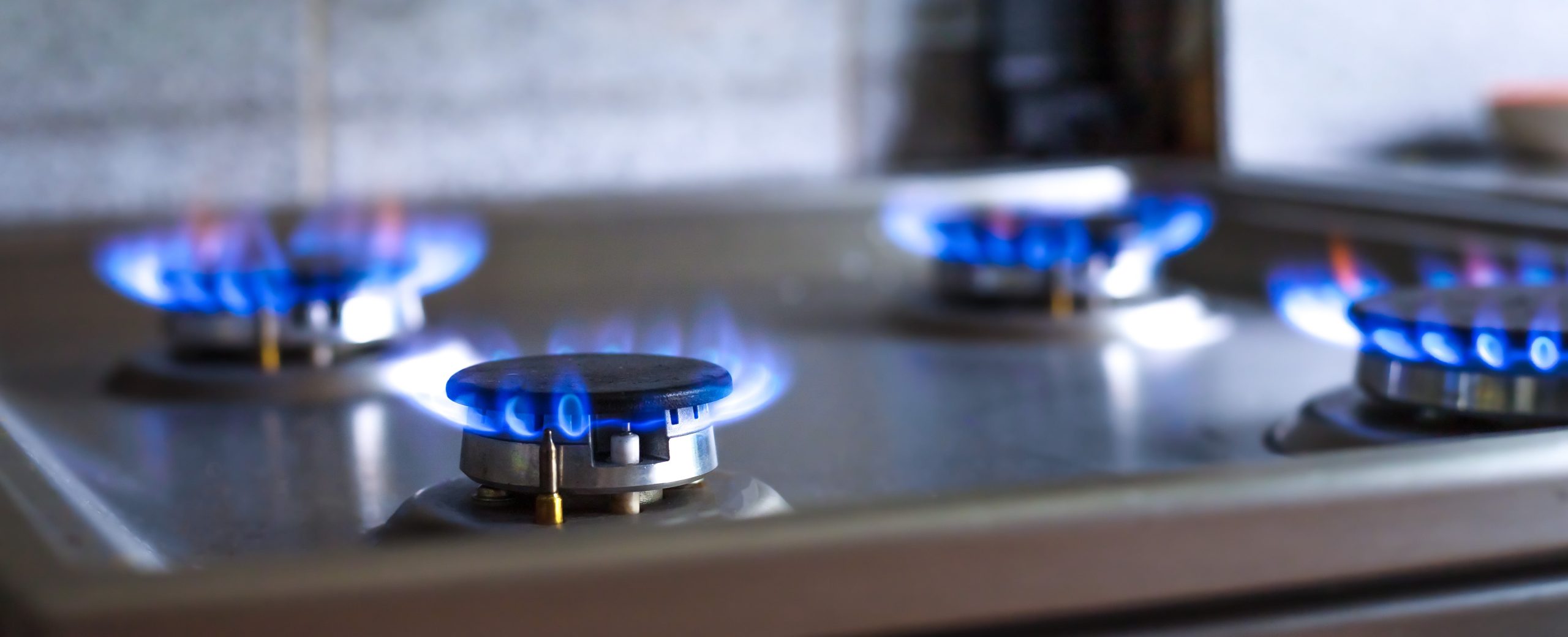
A Gas Safety Certificate cost is legally required for landlords. It provides them with peace of mind that their rental properties meet safety standards. It can also help to save money on charges for utilities and also prevent future issues with their appliances.
During the inspection the engineer will inspect the boiler, flues, and other gas fittings for leaks or other issues. This can take as little as 30 minutes.
Cost of the Inspection
Landlords must obtain gas safety certification that is also known as the abbreviation CP12, for any rentals that have gas appliances. It's a legal requirement and is necessary to keep everyone inside your property free of carbon monoxide or explosions. This may appear to be a costly expense but it's an investment worth the investment to ensure the security of your tenants.
The cost of the cost of a CP12 Inspection can vary based on the kind of property, the location, and the number of appliances. The average cost of an inspection is between PS60 and PS90, with the price rising during peak winter months when engineers are busy.
During the inspection, a qualified gas engineer will ensure that your appliances are in good condition and safe to use. They'll test the gas meter, boiler and all your gas fires, in addition to inspecting for any potential hazards, such as loose flues, faulty joints and poor ventilation. They'll also ensure that the ventilation passages and pipes are clear of obstructions and that harmful gases like carbon monoxide are not able to escape.
The process of obtaining a gas safety certificate generally takes between 30 to 60 minutes for one appliance. It could take longer for larger homes or when there are multiple issues. The engineer will complete the CP12, describing his findings and highlighting any work that is needed. If they are not able to issue a certificate, the engineer will provide reasons and offer advice on how to address the problem.
As gas safety certificate replacement , you're legally required to renew your gas safety certificates every year. In the event that you don't renew your gas safety certificates could result in hefty penalties, including criminal penalties. If you do not have a valid certification, your insurance policy may be invalidated. It is important to look around for quotes, and find an engineer who is reputable and has competitive rates.
Many companies offer bundles of inspections and other services like boiler maintenance or servicing. These bundles are usually less expensive than paying for each service. They might also include minor repairs, so make sure to ask.
Cost of the Certificate
Gas safety certificates (also known as CP12s) are legal requirements that landlords must get to ensure the safety of their gas pipes and appliances. The presence of one can to prevent the poisoning of carbon monoxide, which could kill in just two hours. Landlords are required to carry out these checks in all homes that have gas supplies. This includes properties that are under the care of tenants.
The cost of the gas safety certificate is contingent on the number and type of appliances present in the house. A typical home that has one gas boiler and a gas fire is priced between PS60 and PS90, while a larger property with multiple gas appliances will cost more. The price includes the time it takes to travel for the engineer and the time spent examining each appliance. It also covers the engineer's expertise and equipment, which is necessary for conducting these tests.
Certain firms offer bulk discounts to landlords who manage multiple properties. This can save landlords a lot of money, since the cost per property decreases as the number of properties increases. It is also possible to combine a gas safety check with another service, such as boiler services. This can increase the cost a bit, but it may be worthwhile if it saves landlords money and time.
The location of the property is another factor that could affect the price of a gas certification safety. Certain companies charge higher fees for inspections in urban areas, while others charge less in rural areas. This is due to the fact that it takes longer to travel to rural locations and the engineers may have to pay for extra fuel to get there.
The cost of a gas certificate safety can vary depending on the season. In winter, when there is a higher demand for boiler repairs and gas services the prices can rise substantially. The reason is that engineers are putting in more effort to keep up with the demand.
In the end, a gas safety certificate is a crucial document for any landlord. It can be used to sell an apartment and verify that gas appliances and pipework are safe for tenants. It also allows you to spot issues early, so that they can be fixed before a problem occurs. In certain instances buyers may demand that the seller send a copy the gas safety certificate in order to be able to accept the purchase.
Cost of the Follow-Up Work
As a landlord, you must make sure that all gas appliances are safe to use in your rental properties. It is therefore essential to carry out regular gas safety checks carried out by a Gas Safe-registered engineer. During this check the engineer will test the gas meter, as well as all gas appliances, including gas fires, boilers gas cookers and radiators to be sure they are in good functioning order and don't pose any risk of poisoning with carbon monoxide.
There are a variety of variables that could affect the cost of the gas safety certificate such as the type of property and how many gas appliances have to be checked. A residential property has fewer gas appliances for instance, than a commercial one which could lower the cost of the inspection. Some gas engineers provide a combined boiler service and gas safety inspections that could reduce the cost.
If the engineer detects issues with the gas appliances at your home they will note this on the Gas Safety Certificate and request that you disconnect the appliance and get it repaired. This is a requirement of law to protect your tenants from dangers that could arise, such as carbon monoxide.
It is possible that tenants are reluctant to allow you in for a gas safety check. This could be due to the fact that tenants don't understand the importance of this task or they think it's an invasion of their privacy. In this case it is recommended to send them three separate letters insisting on access to ensure that the checks can be completed. It is recommended that you have these letters delivered as'signed for delivery to prove that they have been received and follow up on any failure to comply.
A valid gas safety certificate will not only put your tenants at ease but also increases the chances of selling your house when it's time to sell. A valid certificate will demonstrate that your property has been well-maintained and is ready for sale, which can significantly improve the chances of selling.
Cost of Emergency Checks
As a landlord, it's your responsibility to ensure that your tenants are secure and that you have the appropriate documentation to prove this. Gas Safety Certificates (CP12) are required for all appliances and installations within your property. This includes having an engineer who is registered conduct regular gas safety inspections.
The cost of an inspection for gas safety will vary depending on your property, the engineer you choose and any issues discovered. The gas engineer will assess the flues, appliances and pipework to ensure that they are safe and conform to the regulations. They will also check for ventilation to minimize the risk of carbon monoxide poisoning, inspect cooking equipment for signs of damage and check for leaks in gas.
If the heating engineer detects any issues these will be recorded in the gas safety certificate. Any additional action must be taken. For example, if your gas fire is damaged beyond repair it will need to be replaced. This can be expensive in particular since heating engineers charge between PS40 to PS60 per hour or a daily rate of PS230 to PS280.
If your tenants are unwilling to allow you access for the inspection, this could also affect the cost. It could be due to an argument, or they may feel it's an invasion of privacy. It is important to remind them that allowing access to their home is legally required and that the inspection is necessary for their own security. You should also explain to them that carbon monoxide has no odor and tastes like nothing. They could die if they fail to disconnect the gas supply.
It may be possible for landlords who have multiple properties to negotiate a bulk price on gas safety checks. It's a good idea to check online to find out what offers are available and if there are any discounts for booking multiple checks at once. You could also sign a service agreement that covers annual gas safety inspections as well as boiler servicing. This can be more affordable than having to pay for these services individually and might save you money in the long term.