

How Long Does a Gas Safety Certificate Last?
A gas safety certification is a valid document that affirms that the appliances located in a property are safe to use. It is issued by an Gas Safe registered engineer and lasts for a period of 12 months.
Landlords must renew their leases annually and give a copy to any new tenants within 28 days from their commencement date. The inspection should be conducted by an Gas Safe engineer who is skilled and knowledgeable.
It lasts for 12 months.
Landlords should have all gas appliances and pipework in their properties regularly inspected to ensure safety. This helps ensure that the premises are safe for the occupants and decreases the chance of carbon monoxide or fire poisoning. The inspection will also reveal problems with the pipework or gas appliances and suggest any repairs that are required. The engineer will issue a CP12 report that contains the findings of the inspection.
This is a legal requirement and landlords who fail to comply face fines or even prison sentences in serious cases. The law requires that all tenants receive a copy of the CP12 certificate prior to moving into a property. The certificate must be given to tenants who are already in the property within 28 days of the inspection and new tenants before signing their tenancy agreements.
Landlords must renew their CP12 certificate each year. It is essential to renew it before the certificate expires. The CP12 must be renewed by an Gas Safe registered engineer, and non-Gas Safe professionals are not permitted to carry out the tests. Non-Gas Safety engineers aren't competent to work on your property in a safe manner and could put your tenants in danger.
The CP12 certificate is valid for 12 months regardless of the date of inspection. If you renew your CP12 before the date on which it expires, the new certificate will be dated and valid until the day the previous one expired. This is similar to the way an MOT certificate functions and ensures that dates for renewal are the same.
There's no grace period for renewing your CP12, so you'll need to schedule an appointment as soon as you can. The engineer will examine all gas appliances and pipework within your property and the results of the test will be included on the CP12. If the appliance is deemed unsafe for use, it will be labeled as Immediately Dangerous (ID) not to Current Standards (NCS), or At Risk (AR). It is essential to repair any defective appliance as fast as is possible. If the engineer deems that the appliance is unsafe to use, they will ask your permission to remove it and provide suggestions for any repairs that may must be made.
It needs to be renewed annually
A gas safety certificate, also referred to as a CP12 is a legal requirement for landlords. It needs to be renewed every year and contains details of all gas appliances that are in the property. It takes between 30 and 60 minutes to complete. The engineer will inspect the property, including all gas appliances and flues. The engineer will examine the property including all gas appliances and flues.
Landlords must provide tenants with a copy of the CP12 within 28 days of the gas safety inspection is completed. They should also display this document at the property. This helps avoid gas-related accidents and makes sure that the landlord is up to date on the most recent standards. It is important to renew your CP12 coverage as a lapse can be expensive for a landlord.
Both landlords and tenants must be aware of the dates for renewing their gas safety certificates. Being aware of the dates will help avoid penalties and potential liability for injuries or deaths that could occur because of expired certificates. Gas safety checks should be scheduled to coincide with routine maintenance of the building to decrease the chance of unexpected breakdowns.
In addition to supplying the CP12 landlord should keep a log of the inspection along with any defects or problems that require attention. This is an important element of the safety program and will assist landlords in the event that they are ever sued for negligence by a tenant or their insurer.
Gas safety certificates don't have a grace period. If the landlord fails to renew it before the expiry date they may be liable to substantial penalties, and even jail time in severe instances. Getting the CP12 certificate is simple and affordable. It is crucial to make a plan to obtain one before the expiration date of your current certificate.
There are some restrictions on who can carry out an inspection of gas safety and issue an CP12. gas safety certificate replacement must only use Gas Safe certified engineers. Gas Safe offers a number of registration options. The process is simple. Once you have registered, you can access technical bulletins and update your qualifications. You can also manage your profile online.
The landlord must keep the property
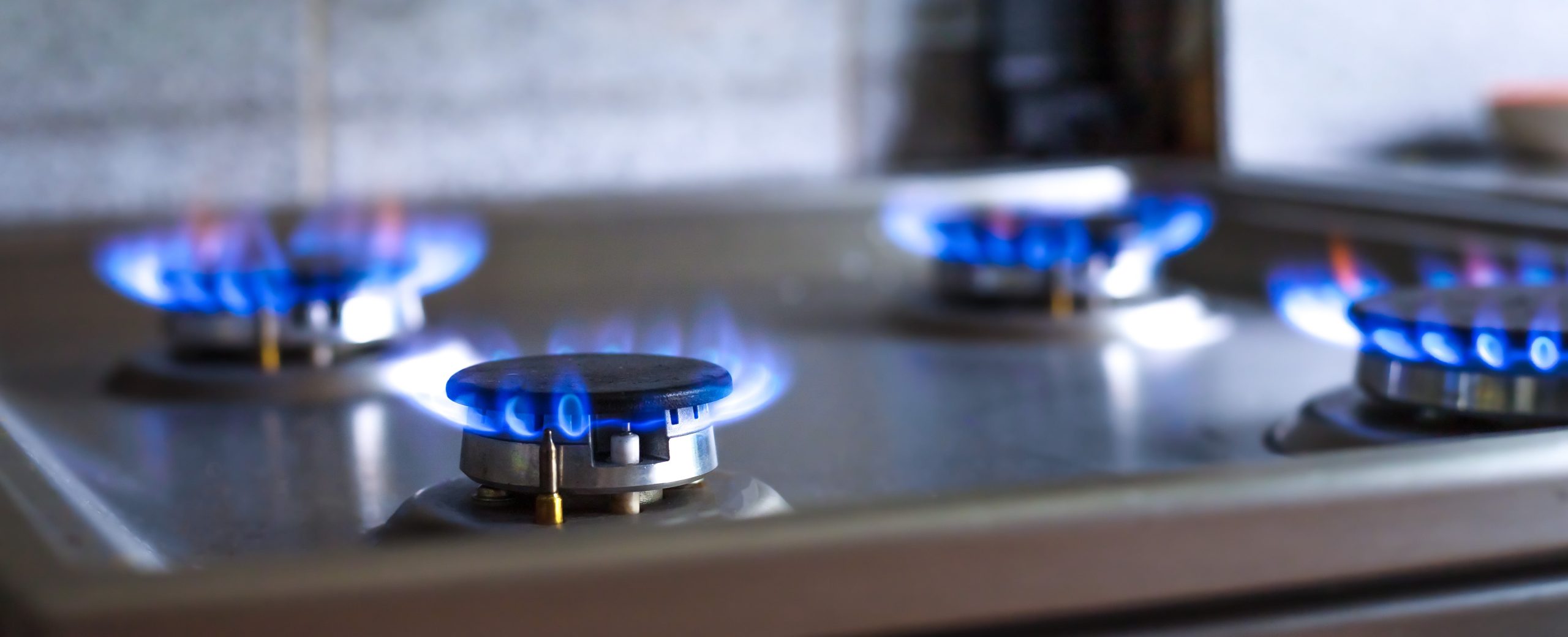
Gas appliances are used in millions of homes across the UK. A complicated network of pipes distributes it. This infrastructure is subject to lots of scrutiny and safety checks. Landlords are required by law to adhere to gas regulations, which include regular checks and servicing of appliances. It is also the responsibility of the landlord to give tenants an official gas safety certificate.
Gas safety checks are not only a legal requirement, they are is also vital to ensure the security of your tenants. A gas safety check will verify that all pipes as well as flues, appliances and other equipment are in good operating condition. It will also identify any areas that may need repair or replacement. The engineer will issue an CP12 Gas Safety Certificate which is valid for a year and needs to be renewed annually.
Landlords are required to keep a copy their CP12 Gas Safety Certificate, and give it out to any tenants who move in or out. They must also place it prominently in the property. If they do not have possession of a CP12 the property owner must acquire one within 28 days of the date of inspection.
Despite the fact that most landlords employ managing agents, they are still accountable for their obligations. The managing agent must be a Gas Safe registered engineer. They must also organize annual gas safety inspections and issue the CP12. Landlords should not hesitate to contact their management company to inquire whose responsibility it is to arrange the gas safety inspections.
During the CP12 Gas Safety Check, the engineer will inspect each appliance and search for signs of corrosion or leaks. The report will state whether the appliance was deemed "Not In Compliance" (NCS), "Immediately Dangerous" (ID) or "At Risk of being dangerous". If one of these is the situation, the appliance will need to be replaced as soon as possible.
If you're a landlord, you must ensure that your tenants receive an original copy of the CP12 Gas Safety Certificate within 28 days of the inspection. This is a legal requirement that is required for all new or existing tenants. The document must be displayed in a prominent spot and should be updated when the installation of a new appliance or if the tenant moves out of the property.
Tenants should be provided with the required information
Regardless of whether you are a commercial or private property owner it is your legal responsibility to ensure that your tenants are secure. This includes giving them gas safety certificates. This document must be renewed every year and must be provided to your tenants as soon as possible. The certificate must also be displayed in your rental property.
The CP12 Landlord Gas Safety Record contains the basic information regarding the engineer and your property. It also lists all the gas appliances and flues that have been examined. It also outlines the current status of each appliance which is rated as ID (Immediate danger), AR (at risk) or FIT (fit for use).
Gas safety checks must be conducted by an Gas Safe registered engineer. This is clearly noted on the engineer's Gas Safe Register registration card. The gas engineer must also conduct a boiler inspection in conjunction with the Gas Safety check. This is a more detailed inspection that examines the seals, gaskets, heat exchangers and burners of each appliance. The process generally takes longer than a gas safety check and may include the replacement of parts or cleaning.
It is crucial to make sure your gas safety certificates have been updated in case you are a newly licensed landlord. If you do not do this, you will be penalized and be charged when a fire or accident occurs in the property.
It's an excellent idea to ask your tenants for a copy of the gas certificate, since it can help you identify problems before they get any more serious. This can save you money in the end. If you are thinking of selling your property, prospective buyers often ask for gas safety records. This can help you avoid unnecessary costs if your appliances require repair.
You may find that tenants won't allow you into their property to conduct a gas safety inspection. how often gas safety certificate 's usually because they think it's an invasion of privacy. It's important to remind them that this is a requirement by the government and designed to safeguard the public from carbon monoxide.